
"yield reached"
2000 article(s) found

Hawaiian Kona Coffee introduces boutique coffee beans in the Manoa Valley area of Oahu.
The climate is very suitable, the sun in the morning gently passes through the air full of water vapor, in the afternoon, the mountains will become more humid and foggy, and the white clouds surging in the air are natural umbrellas for coffee trees, and the evening will become sunny and cool. Suitable natural conditions make the average yield of Kona coffee very high, reaching 2240 kg per hectare, while in Latin American coffee.

Description of Peruvian Coffee Flavor with good Taste and aroma; introduction to the taste characteristics of Peruvian coffee varieties
The cabinet is composed of the chairman of the Council of Ministers and 18 ministers. The President presides over the Council of Ministers and appoints the Cabinet. The current cabinet members are: Juan Jimenez Majoor (Juan JIMENEZ Mayor), chairman of the Council of Ministers; Foreign Minister Rafael Rafael Calliolo Vigoso (Rafael RONCAGLIOLO Orbegoso); and Defense Minister Pedro Alvaro Catliano (Pedro Alv)

Flavor description characteristics of Yunnan Tieka Coffee beans introduction of Variety production area treatment Manor
Yunnan Tieka coffee bean flavor description characteristics variety production area treatment manor introduces the environmental problems of coffee cultivation, although it can reach the hot area standard, it is far away from the equator, evaporation, and the large-scale Yunnan coffee planting area is less than 1100m above sea level. in recent years, the severe drought in Yunnan, as well as the frost period in the producing areas, all make the cultivation of coffee can not be guaranteed normally, which has a direct impact.

The taste and flavor of Maraka Dula coffee beans in Nicaragua describe the planting area.
For professional baristas, please follow the coffee workshop (Wechat official account cafe_style) Maraka Maracaturra. What's so special? Like Maragogype, Maracaturra coffee beans have a large size. Mauricio told me it inherited the excellent flavor and high yield of Kaddura (Caturra). Its short stature holds

What are the characteristics of Yunnan small-grain coffee? what are the producing areas of Yunnan small-grain coffee?
Professional coffee knowledge exchange more coffee bean information please follow the coffee workshop (Wechat official account cafe_style) Qianjie-Yunnan coffee producing area introduction Yunnan Province is the main coffee producing area in China, mainly growing small seed coffee (Coffea arabica), among which Katim series varieties have strong disease resistance, high yield and excellent quality, and are currently the most widely cultivated varieties in Yunnan.
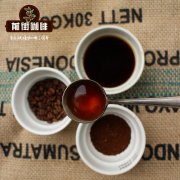
Katim Coffee Bean shape how to distinguish the characteristics of Katim coffee defective products of Luo bean gene?
Professional coffee knowledge exchange more coffee bean information please follow the coffee workshop (Wechat official account cafe_style) front street-Yunnan small Coffee introduction Katim (catimor) is not pure Arabica blood, it is a hybrid of Timor and bourbon. Compared with the old variety, it lacks rich aroma and taste, and has a relatively shallow and fishy taste.

Excellent taste of Kona Coffee from the Manoa Valley in Oahu, Hawaii, USA.
The climate is very suitable, the sun in the morning gently passes through the air full of water vapor, in the afternoon, the mountains will become more humid and foggy, and the white clouds surging in the air are natural umbrellas for coffee trees, and the evening will become sunny and cool. Suitable natural conditions make the average yield of Kona coffee very high, reaching 2240 kg per hectare, while in Latin American coffee.

Peruvian coffee flavor Peruvian coffee characteristics Peruvian coffee taste
Peruvian coffee beans are best known for their coffee beans from Chimacha Mayou in the middle and Cusco in the south. In addition, some areas in northern Peru also produce characteristic organic coffee. Organic coffee is made of beans grown in the shade of trees. Although the yield of coffee beans is not high because of the method of planting in the shade, its quality can reach the level of gourmet coffee. This is due to

History and Present Situation of Coffee Cultivation in China
Coffee production in China has experienced a tortuous course of development. From the 1950s to the early 1960s, coffee production had a peak period of development. In 1960, the national planting area reached 130,000 mu, with an annual output of more than 300 tons.

Pure Colombian coffee flavor taste country of origin manor introduction to Lazmus manor
The pure taste of Colombian coffee comes from Colombia's natural environment with the most favorable conditions for coffee growth. But beyond that, it is inseparable from the hard work of local growers. In Colombia, coffee cultivation has reached 1.07 million hectares, there are about 302000 coffee plantations in the country, and 30 to 40 per cent of the rural population depends directly on coffee production. Columby

Ethiopian coffee is expected to increase year by year.
Although Ethiopia is the home country of Arabica, it is difficult to talk about the average yield per hectare. Central and South American countries can produce an average of one to two tons of coffee beans per hectare, but Egypt is only about 500,600 kilograms, which is really ugly. But the situation has improved year by year, especially in June of the second ○○, when Egypt forced Starbucks to give in and took control of Yegashefi, Harald and Cedar.

Flavor and taste characteristics of Yunnan Tieka coffee beans introduction to Katim Brand Manor
The so-called new variety actually refers to catimor (Katimo), which is a hybrid of the timor species of the Roberta family and Arabica. Compared with the old varieties, it lacks rich aroma and flavor, and has a relatively shallow smell of grass and soil, but its advantages are pest resistance, easy management and yield.

Introduction to the Flavor of Iron pickup Coffee Fine Coffee in the producing area of Iron pickup Coffee Manor
Ironpika is commonly found in Jamaica in Central America and Indonesia in Asia. Its fruit is usually large and oval, while its leaves are slender. Like to grow in fertile mountain soil, cold resistance and disease resistance are weak, the yield is low. The famous Jamaican Blue Mountain Coffee belongs to this breed and traces its roots. Typica comes from Ethiopia, the ancient place of origin of coffee.

Costa Rica Phoenix Estate Coffee Bean Brewing Share Sun-baked Coffee Bean Flavor Characteristics Description
Professional coffee knowledge exchange More coffee bean information Please pay attention to coffee workshop (Weixin Official Accounts cafe_style) On the coffee bean list of Qianjie Coffee, a coffee bean named Fire Phoenix Manor Sapphire in the column of Costa Rica production area always attracts everyone's attention. Fire Phoenix Manor is a 100% organic plantation in the fertile volcanic hills of the Central Valley

History of coffee beans grown in Vietnam Brand Price Flavor Description Taste Treatment Introduction
Vietnam coffee planting area is about 500,000 hectares, 10%-15% belong to state-owned enterprises and farms, 85%-90% belong to farmers and manor owners. The size of the estate is small, usually 2-5 hectares, and the large estate is about 30-50 hectares, but the number is small. Vietnamese coffee ranks second only to rice among Vietnam's export agricultural products.

Introduction to the characteristics of Colombian Coffee Flavor Manor with soft and smooth taste
The pure taste of Colombian coffee comes from Colombia's natural environment with the most favorable conditions for coffee growth. But beyond that, it is inseparable from the hard work of local growers. In Colombia, coffee cultivation has reached 1.07 million hectares, there are about 302000 coffee plantations in the country, and 30 to 40 per cent of the rural population depends directly on coffee production. Columby

What is the price, flavor, taste, variety and quality of Vietnamese coffee bean brands? introduction to the manor producing area
Vietnam's geographical location is very favorable for coffee cultivation. Southern Vietnam has a hot and humid tropical climate, which is suitable for growing ROBUSTA coffee, while the north is suitable for growing ARABICA coffee. Coffee production in Vietnam has the following characteristics: (1) because there is no effective way to deal with fallen leaves, medium-grain coffee was selected as the main variety in the early 1980s. (2) take planting technology as
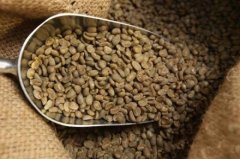
Coffee knowledge Ethiopian coffee is expected to increase year by year
Although Ethiopia is the home country of Arabica, it is difficult to talk about the average yield per hectare. Central and South American countries can produce an average of one to two tons of coffee beans per hectare, but Egypt is only about 500,600 kilograms, which is really ugly. But the situation has improved year by year, especially in June of the second ○○, when Egypt forced Starbucks to give in and took control of Yegashefi, Harald and Cedar.

China's coffee industry is developing rapidly, with a planting area of more than 1.8 million mu.
Although the coffee industry has a bright future, the problem of single variety also restricts the development of coffee industry in China. Long universe said frankly, at present, Katim series hybrid varieties account for more than 95% of the total coffee area in China, this series of varieties have the advantages of rust resistance, short stem, early production, high yield, quick effect, etc., but there are also defects such as poor stable yield, easy premature aging and poor quality. As the years of cultivation extend,

Introduction to the Flavor description treatment of Vietnamese Coffee Bean Variety characteristics and texture Grinding scale
Reduce the planting area of ROBUSTA coffee and turn the land with low efficiency in coffee cultivation into other perennial cash crops such as rubber, pepper, fruit trees and annual crops such as cotton and hybrid corn. Expand the planting area of ARABICA coffee in areas where conditions permit. The ultimate goal of the strategy is to maintain the current perennial coffee acreage, or slightly reduce it, to about 450000 to 500000 grams.